hande made carpet RSS Feed
Below is a comprehensive text about the **History and Culture of Handwoven Carpets** that can serve both as an inspiration for your articles and as a means to offer readers a deep understanding of this authentic art.
---
### Introduction
Handwoven carpets are more than just floor coverings; they embody the rich history, culture, and national art of Iran. For thousands of years, this handcraft has been passed down through generations and is recognized worldwide as a symbol of Iranian authenticity. Each handwoven carpet encapsulates a story of time, deep-seated beliefs, and ancient traditions.
### History of Handwoven Carpet Production
The roots of handwoven carpet production stretch back to antiquity, when Iran was celebrated as one of the dream centers of weaving art. From the Achaemenid period through the Sassanid era and later during the Islamic period, handwoven carpets—with their unique techniques and emblematic designs—excelled in international markets. Every region in Iran, from Tabriz and Kashan to Isfahan and Kerman, became renowned for its distinctive style and pattern, reflecting the country’s diverse cultural and geographical heritage.
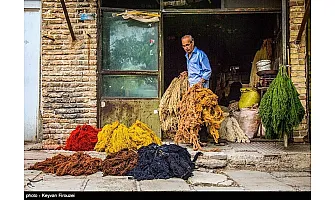
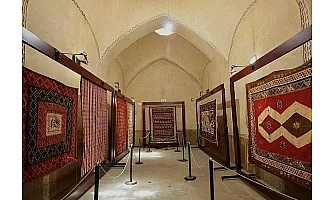
Handwoven carpets are valued not only as artistic masterpieces but also as cultural narratives. Their symmetric patterns, along with floral, animal, and geometric motifs, often carry profound symbolic meanings and mystical as well as social messages. These artistic pieces, which adorn homes, palaces, mosques, and even offices, radiate authenticity and beauty. Moreover, the method of production is deeply rooted in family and local traditions, with the secrets of weaving being carefully passed down through generations.
### Heritage and Contemporary Flair
Today, despite the advent of modern technology, handwoven carpets continue to play a significant role in interior décor, infusing living spaces with warmth, authenticity, and elegance. In addition to preserving their intrinsic history and originality, contemporary designers have revived and reinterpreted these historic treasures by blending traditional motifs with modern aesthetics. This fusion of past and present demonstrates that traditional art can evolve with innovation while still remaining a potent symbol of cultural and artistic heritage.


-335x200h.webp "Understanding")

